Ice Dams: Why They Form and How to Prevent Them
If you have ever seen photos of thick ridges of ice hanging off a roofline, you have seen an ice dam. They look almost pretty in pictures, but underneath that ice is a slow, steady process that can push water back under shingles and into a home. Understanding why ice dams form helps explain a lot about how roofs, attics, and weather interact with each other.
Here in Bradenton, we do not deal with the kind of hard, sustained freezes that create the worst ice dams up north. But the attic conditions that cause them, poor insulation, weak ventilation, and uneven roof temperatures, are the same conditions that cause other problems for roofs in our climate too. So the science behind ice dams is worth knowing, even if the ice part rarely happens here.
The Freeze Thaw Cycle at the Eaves
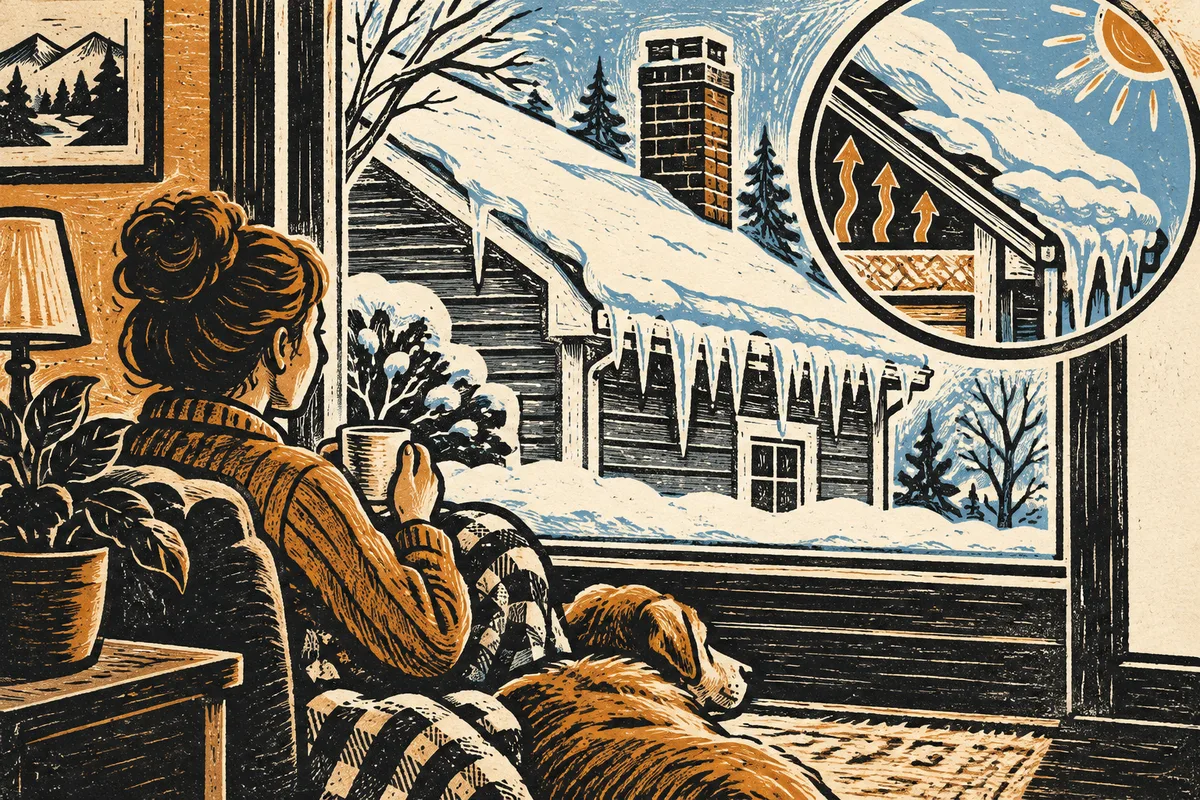
An ice dam starts with heat escaping from inside the house into the attic. That warm air rises and touches the underside of the roof deck, warming it just enough to melt snow sitting on the upper part of the roof. The meltwater runs downhill toward the eaves, which sit above the unheated overhang past the exterior walls.
At the eaves, there is no warm attic below to keep that section of roof warm. So the water refreezes right at the edge, forming a ridge of ice. Over time, more melted snow flows down and pools behind that ridge, and that trapped water is what eventually works its way under shingles and into the roof deck.
The cycle repeats every day the sun or attic heat melts snow higher up and the cold night air refreezes it at the edge. Each cycle adds a little more ice, and the dam grows thicker and heavier. It is a slow, patient kind of damage, which is part of why it catches homeowners off guard.
Why Attic Heat Is the Real Culprit
It is tempting to think ice dams are just a weather problem, but the truth is they are mostly a house problem. A roof with an evenly cold attic, matching the outside temperature, will not melt snow unevenly. Ice dams show up when parts of the roof deck are warmer than others because heat is leaking out of the living space below.
Common heat leaks include gaps around attic hatches, recessed lighting, exhaust fans that vent into the attic instead of outside, and thin or unevenly distributed insulation. Warm, moist household air finding its way up into an attic does two things at once: it warms the roof deck unevenly and it raises humidity, which can affect insulation performance and wood over time.
This is why fixing ice dams almost never means adding more ice melt or chipping away at the problem from the outside. It means addressing what is happening inside the attic.
Insulation and Ventilation Fixes That Actually Help
The most effective long-term fix is sealing air leaks between the living space and the attic, then making sure insulation is even and adequate across the whole attic floor. Thin spots or gaps let heat escape right where you do not want it to, creating the warm patches that start the melt cycle.
Ventilation matters just as much as insulation. A well-vented attic pulls in cool outside air at the soffits and lets warm air escape near the ridge, which helps keep the whole roof deck at a consistent temperature. If soffit vents are blocked, damaged, or covered by insulation stuffed too far into the eaves, that airflow gets cut off and warm pockets can form.
This is one reason soffit and fascia condition matters more than people expect. Damaged or poorly sealed soffits can disrupt airflow and let moisture in, which affects both attic temperature control and the long term health of the roof structure. Keeping these components in good repair supports the ventilation system the whole roof depends on.
For homes anywhere that deal with real winter freezes, a combination of attic air sealing, balanced insulation, and working intake and exhaust ventilation is what actually addresses the root cause. Ice and water barriers at the eaves can offer an added layer of protection during installation, but they work best alongside proper insulation and airflow, not as a replacement for it.
What This Means for Bradenton Homes
Even without snow and ice, the underlying lesson applies here. An attic that traps heat and humidity can shorten the life of shingles, warp roof decking, and stress soffits and fascia over time. Good ventilation and properly balanced insulation help a roof handle whatever the season brings, whether that is intense summer heat or the occasional cold snap.
If you have noticed uneven wear on your roof, staining on interior ceilings, or you are just curious about how well your attic is ventilated, it is worth having someone take a look. Every home is built a little differently, and the right approach depends on your attic layout, insulation type, and roof design.
Give SmithBuilt Roofing & Exteriors a call if you have questions about your roof's ventilation, insulation, or overall condition. We are happy to talk through what makes sense for your specific home.
Questions about your own situation? The team at SmithBuilt Roofing & Exteriors is happy to help — call us at (941) 932-2441 or request an appointment.
This article is for general information only.