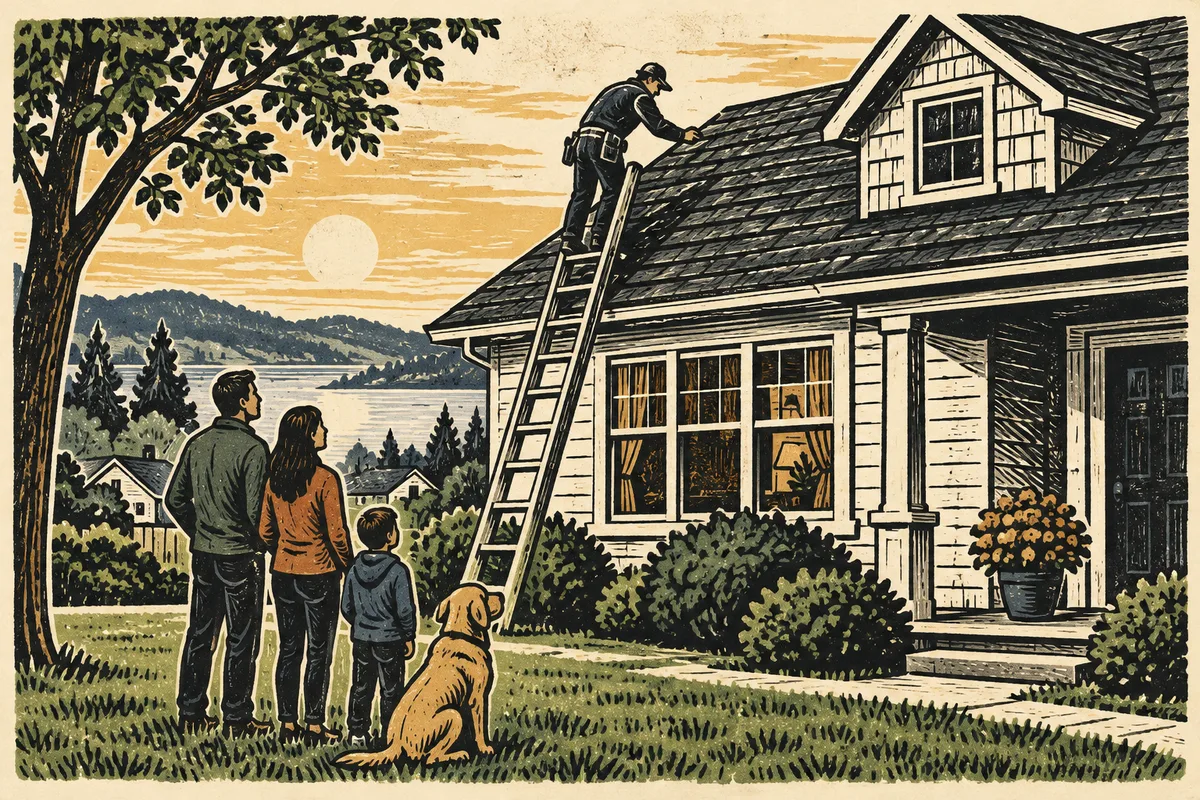
When to Have Your Roof Inspected (Before It Leaks)
Most homeowners don't think about their roof until water shows up on the ceiling. By then, the damage has usually been building for a while, hidden from view under shingles, tile, or metal panels. The good news is that a roof almost always gives some warning signs before it fails, and a timely look from someone who knows what to check for can catch those signs early.
So how often should you actually have your roof looked at, and what moments call for an extra check? Here in Bradenton, our weather adds a few specific triggers to the usual schedule. Below is a simple guide to help you figure out when it makes sense to have your roof inspected, before a small problem turns into a bigger one.
A Yearly Look Is a Reasonable Habit
For most homes, once a year is a sensible baseline for a roof checkup. This gives someone a chance to spot loose or curling shingles, worn flashing, small cracks in tile, or areas where sealant has dried out and pulled away. Catching these things early often means a simple repair instead of a bigger fix down the road.
Spring or early summer tends to be a good time for this yearly check in our area, since it lets you address any winter wear before the heavier rain season arrives. If your roof is newer and in good shape, this yearly look might turn into a quick, uneventful visit. That's a good thing. It means your roof is doing its job.
After Any Significant Storm
Living near the Gulf means our roofs deal with heavy rain, high winds, and the occasional hail or tropical system. After any storm that brings strong wind gusts or a lot of wind-driven rain, it's worth having your roof looked over, even if you don't see obvious damage from the ground.
Wind can lift shingles or tiles just enough to break their seal without fully removing them. Debris can scrape across a roof surface and wear down protective coatings. None of this is always visible from your yard, but it can lead to slow leaks weeks or months later. A post-storm check is one of the most useful inspections you can schedule, and it's a smart habit for anyone in a storm-prone area like ours.
If a storm was severe enough to cause visible damage, like missing shingles or a hole in the roof, don't wait. Emergency tarping can protect your home until repairs are made, and it's far better to act quickly than to let water sit on exposed decking.
As Your Roof Gets Older
Roofing materials age differently depending on the type, but all of them go through changes over time. Sealants dry out. Flashing can loosen. Granules on shingles wear thin. Tile roofs can develop cracks from years of heat and settling. As your roof approaches the later years of its expected life, it's worth having inspections more often, maybe twice a year instead of once.
This isn't about assuming the worst. It's simply that older roofing systems benefit from a closer watch, the same way an older car might need more frequent checkups even if nothing seems wrong. A little extra attention during these years can help you plan ahead, whether that means ongoing maintenance or eventually looking into a replacement on your own timeline rather than in a rush.
Before You Buy, Sell, or Refresh Your Knowledge of a Home
If you're buying a home, an inspection gives you a clear picture of what you're taking on and helps you plan for any maintenance or repairs ahead of time. If you're selling, having your roof checked beforehand means you won't be caught off guard by a buyer's inspection report, and you can address anything minor before it becomes a bigger conversation.
Even if you're not buying or selling, it's worth taking time now and then to refresh your knowledge of your own roof's condition. Walk your yard after a windy day and glance up. Check your ceilings for any new spots or discoloration. These small habits, paired with a professional look every so often, go a long way toward keeping your home protected.
When in Doubt, Have It Checked
Every roof and every home is a little different. The type of roofing material, the age of the system, the layout of your property, and even the surrounding trees can all affect how often you should have things looked at. There's no single answer that fits every house in Bradenton.
If you're noticing anything unusual, a stain on the ceiling, a shingle in the yard, a slow drip after rain, or if it's simply been a while since your last inspection, it's worth reaching out. We're happy to talk through your specific situation and help you figure out the right next step, whether that's a simple inspection, some routine maintenance, or a repair to address before it grows into something bigger.
Questions about your own situation? The team at SmithBuilt Roofing & Exteriors is happy to help — call us at (941) 932-2441 or request an appointment.
This article is for general information only.