Why Gutters Matter More Than You Think
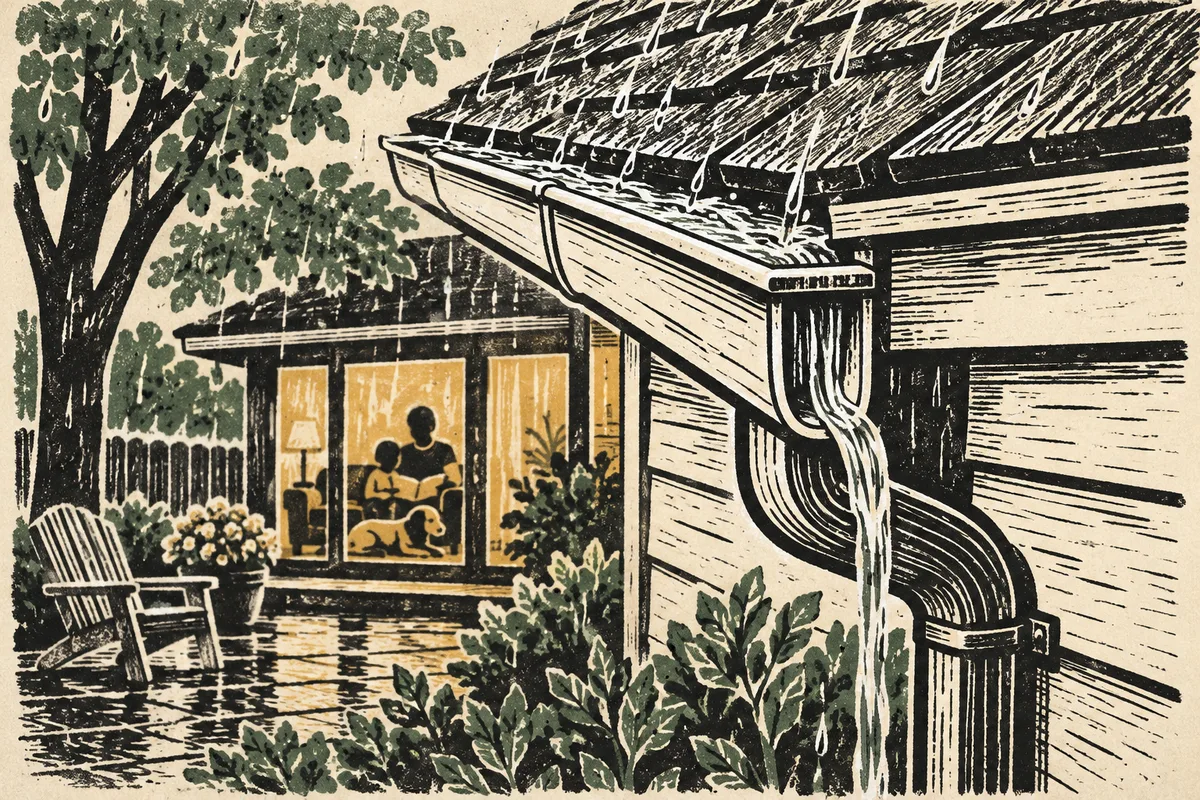
Gutters rarely get much attention until they overflow during a storm. Most homeowners think of them as a minor detail, something to deal with later. But gutters are actually one of the hardest working parts of your home. They quietly move thousands of gallons of rainwater away from your roof, walls, and foundation every year.
When gutters are clogged or damaged, that water has nowhere good to go. It backs up under roofing materials, pools near fascia boards, and eventually finds its way to the ground right next to your foundation. In a place like Bradenton, where heavy rain and storms are simply part of life, keeping gutters in working order matters more than most people realize.
How Clogged Gutters Damage Your Roof
When leaves, pine needles, and debris pile up in a gutter, rainwater stops flowing where it should. Instead, it sits along the roof edge, seeping under shingles, tiles, or metal panels. Over time, that trapped moisture can lead to soft spots, staining, and slow leaks that are hard to notice until they show up as a wet patch on a ceiling inside the house.
This kind of damage tends to build gradually. A small area of standing water might not seem urgent, but repeated soaking during Florida's rainy season can wear down roofing materials well before their time. A regular roof inspection can catch early signs of this kind of moisture damage before it turns into something bigger.
Fascia boards, the trim that runs along the edge of the roofline, are especially vulnerable. They sit right behind the gutter, and when water constantly spills over instead of draining properly, the wood or composite material behind it can soften and rot. Once fascia starts to fail, it can affect how securely the gutter itself is attached, which only makes the problem worse.
What Happens Below: Foundations and Siding
Gutters do more than protect the roofline. Their real job is to carry water far enough away from the house that it does not pool around the foundation. When gutters clog or sag, water often drops straight down along the exterior walls instead of being carried out through the downspouts.
That water can seep into siding, leaving discoloration or causing panels to warp over time. It can also soak the soil right next to the foundation, which in some cases leads to shifting or settling. Soffit areas, the underside of the roof overhang, can also take on moisture damage when gutters overflow repeatedly, since that trapped humidity has nowhere to escape.
None of this happens overnight. It is usually the result of months or years of small overflows that go unnoticed. That is exactly why gutters deserve more attention than they typically get.
A Realistic Cleaning Rhythm
You do not need to check your gutters every week, but a predictable rhythm makes a real difference. A good starting point for most Bradenton homes is a thorough cleaning at the start of the rainy season and again once the heaviest storm activity has passed. If your property has a lot of trees nearby, you may find that debris builds up faster and needs a look in between those two seasonal checks.
After any major storm, it is worth taking a few minutes to glance at your gutters from the ground. Watch how water flows during a rain shower. If you notice it spilling over the sides instead of moving through the downspouts, that is a clear sign something is blocking the flow.
Keeping this simple rhythm in mind, rather than waiting until there is visible damage, helps you stay ahead of the kind of build-up that leads to bigger repairs down the road.
Signs It Is Time for a Closer Look
Sagging sections, gutters pulling away from the roofline, or streaks of dirt running down your siding are all signs that water is not draining the way it should. Peeling paint near the roof edge or a musty smell in the attic can also point to trapped moisture that started with a drainage problem.
If your gutters are old, cracked, or were installed poorly to begin with, patch fixes may only go so far. In those cases, gutter repair or a fresh gutter installation can restore proper drainage and take pressure off your fascia, soffit, and roofing materials.
If you have noticed any of these signs around your home in Bradenton, or you simply want a professional set of eyes on your gutters, fascia, and roof, give SmithBuilt Roofing & Exteriors a call. We are happy to talk through what you are seeing and help you figure out the right next step for your home.
Questions about your own situation? The team at SmithBuilt Roofing & Exteriors is happy to help — call us at (941) 932-2441 or request an appointment.
This article is for general information only.